Indian Saree
How Indian Saree and Clothing Brands Are Quietly Building Crore-Scale Businesses Through Instagram DMs
TBFO was getting 2,000+ Instagram DMs a week and replying to maybe 30%. We plugged in LinkFliQ on day zero. Here's exactly what changed in 26 days.

Akshay Kheveria
Founder, LinkFliQ
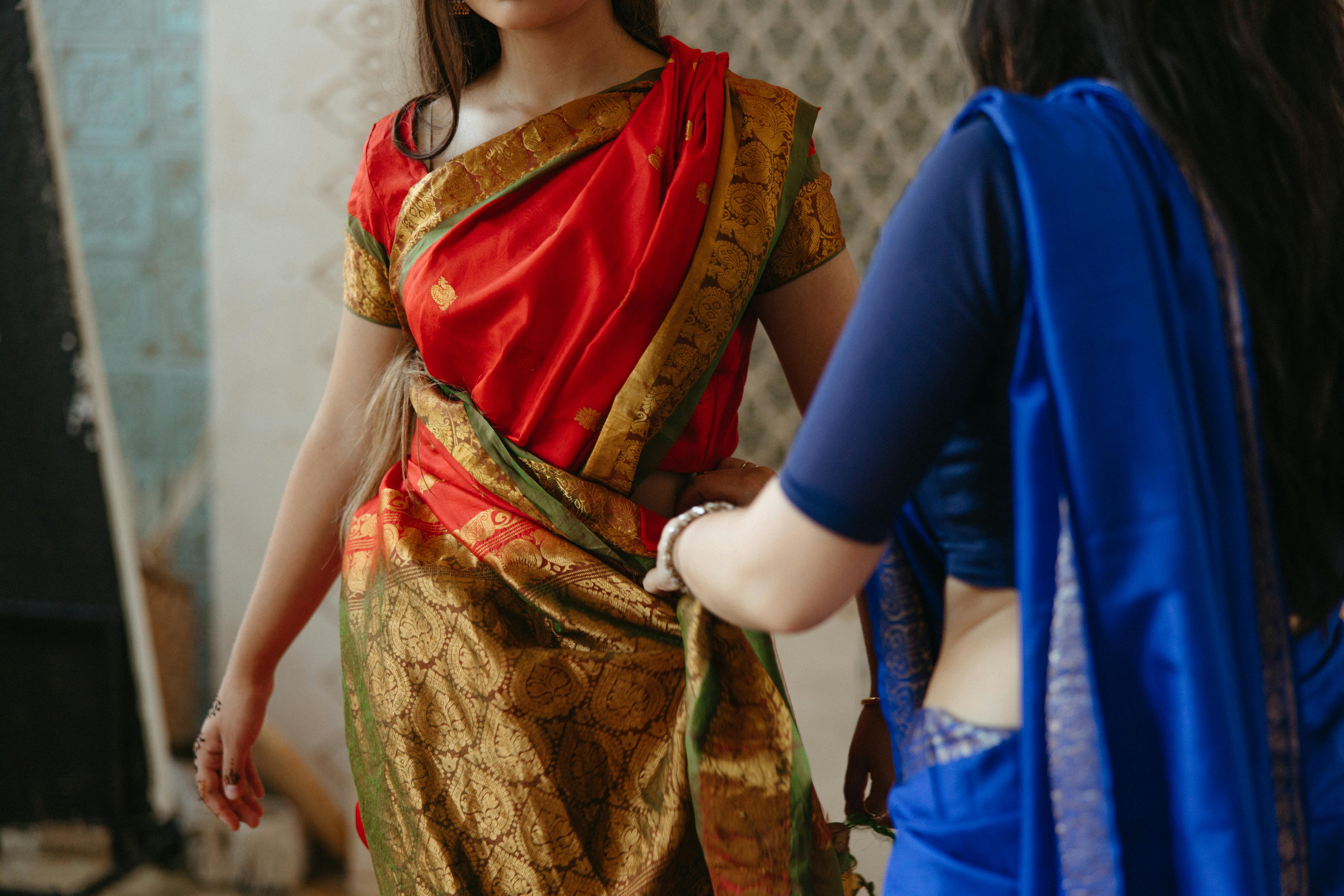
I've spent the last two months working directly with D2C clothing and saree brands across India. What I've seen from the inside is something most people in the startup and tech ecosystem haven't noticed yet — because it's not happening in Bangalore or Mumbai. It's happening in Surat, Jaipur, Rajkot, and hundreds of smaller cities in between.
These brands have millions of Instagram followers. Their content is stunning. Their products are genuine. And the majority of their sales — sometimes 90% of it — is happening directly through Instagram DMs and comments.
Not through their Shopify store. Not through ads. Through conversations.
This is the most underreported growth story in Indian D2C right now.
"PP" is just the beginning
If you've spent any time on an Indian clothing brand's Instagram page, you've seen it. A brand posts a beautiful saree or a new kurta set, and the comments fill up immediately.
"PP"
"Price please"
"Available in green?"
Most people see this as noise. We see it as buying intent at massive scale.
Here's what actually happens after that comment. The brand replies, or the customer DMs directly. And then the real conversation begins:
"Yeh colour aur shades mein milega kya?"
"Budget ₹1,200 hai, iske jaisa kuch aur suggest kar sakte ho?"
"COD milega? Delivery kitne din mein aayegi?"
"Shark Tank wale brand ho? Genuine hai na?"
That follow-up conversation — in comments and DMs both — is where the actual sale happens. Not on the product page. Not at checkout. In that back and forth, after the first question.
Ethnic and fusion wear brands dominate Indian D2C fashion on Instagram, with brands like Bunaai and Kalki Fashion each crossing 1.3 million followers. These are not just content creators. They are sales machines running on Instagram conversations.
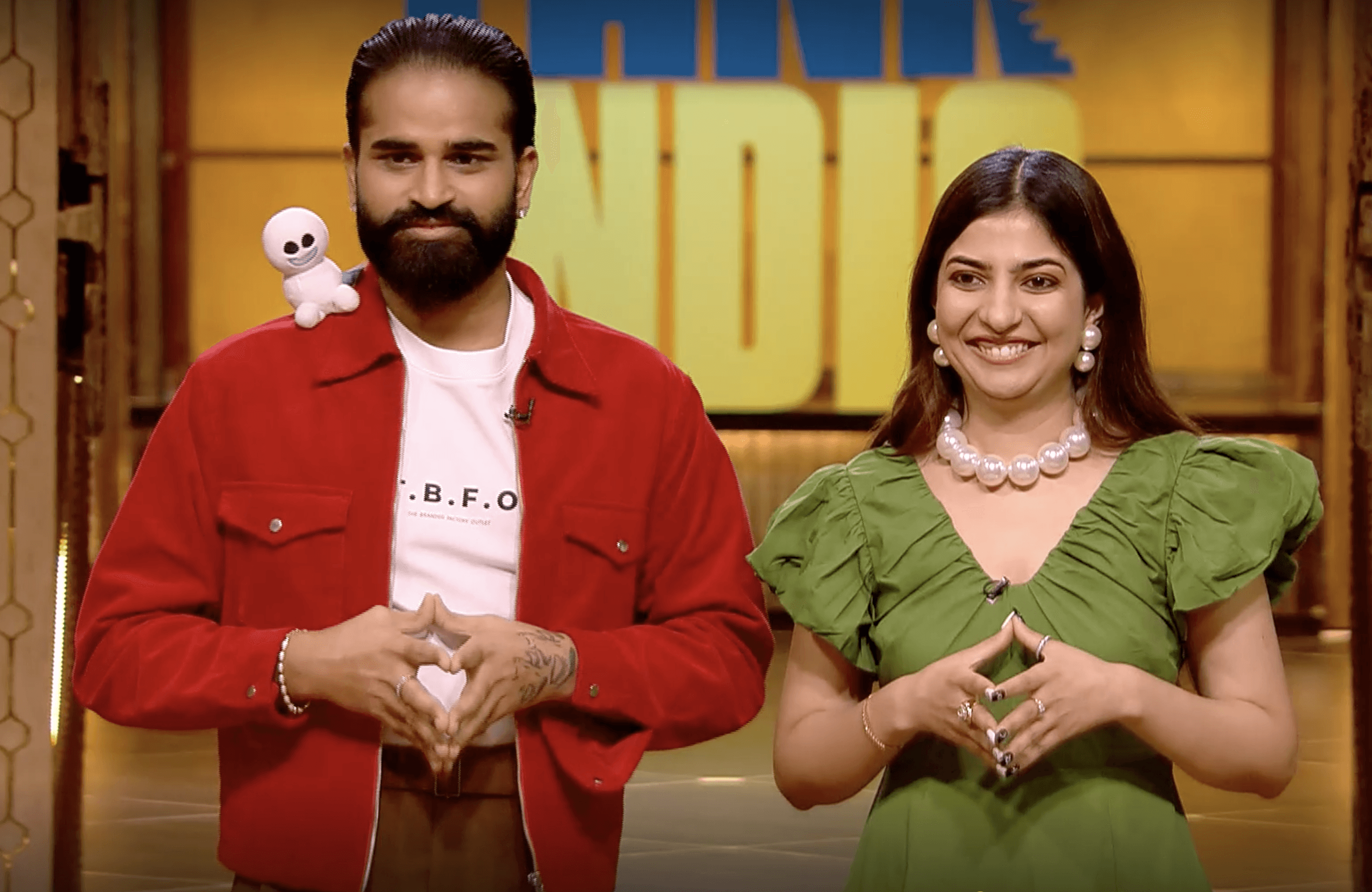
We work with KCPC Bandhani, a brand with 1.3 million-plus followers. We work with TBFO — The Branded Factory Outlet — a women's fashion brand that appeared on Shark Tank India. The scale of conversations these brands handle every single day is extraordinary. And until AI stepped in, it was all chaos.
The chaos behind the scenes
Here's what running a high-follower clothing brand on Instagram actually looks like before automation:
A reel drops. Within hours, hundreds of comments. DMs flooding in. The team is manually copy-pasting product details, checking stock, typing out the same answer about COD for the hundredth time that day. Someone misses a message. A lead goes cold. A customer who was ready to buy gets no response and orders from someone else.
During festive season — Diwali, Navratri, wedding season — this multiplies by five. Founders stay up till 2am answering DMs. Team members burn out. And even then, a significant chunk of buying intent just slips through unnoticed.
This isn't a small brand problem. During India's festive season of 2024, e-commerce GMV grew 12% year-on-year to $14 billion, with Tier 2 and Tier 3 cities driving over 60% of transactions. The volume is enormous. Manual cannot keep up.
What AI actually changed for these brands
In the two months since we launched LinkFliQ, we've already been working with some high-growth D2C brands. When we plugged LinkFliQ into these brands' Instagram accounts, connected to their live Shopify catalog, here's what started happening:
A customer comments "PP" on a saree post at 11pm. Within seconds they get a DM with the price, available colours, sizes, and a direct checkout link. No human involved.
A customer asks in Hindi whether there's something similar under ₹1,500. The AI pulls from the live catalog, recommends two or three products that actually match the budget and style, and sends the links — in comments and DMs both.
A customer asks about their order status. The AI checks live tracking data from Shopify and replies instantly.
For one brand, LinkFliQ recommended over 20,000 products to customers in a single week. Real recommendations, from real inventory, to real customers who asked for them.
90% of support handled. The other 10% handled better.
What surprised even us was how quickly AI became capable of handling the full range of customer support conversations — not just simple queries.
Returns. Exchange requests. Delivery delays. Wrong item received. The AI handles most of it directly, pulling from the brand's policies and live order data.
The sensitive cases — an angry customer, a genuinely complex complaint, something that needs a human touch — get flagged and escalated to the brand's team instantly, with full context. The human steps in already knowing the full conversation history. No "can you repeat your order number?" No starting from scratch.
For brands that were previously drowning in DMs and comments, this freed up their teams to focus on what actually needs human judgment. The cost savings alone were significant. The mental load reduction was transformative.
The scammer problem nobody talks about
There's a darker side to high-follower clothing brands on Instagram that doesn't get discussed enough.
Scammers target popular brand comment sections specifically. They post fake phone numbers. They write things like "Order karo is number par, direct mein sasta milega." They drop links to fraud websites. They impersonate the brand in replies.
For a customer who is already slightly uncertain about ordering online, seeing these comments destroys trust instantly. And for a brand, every scam comment that stays up for even an hour is potential revenue lost — and reputation damaged.
LinkFliQ detects and deletes these comments automatically, in real time, before most customers even see them. It's not a feature that sounds exciting on paper. But for brands who have dealt with this problem, it feels like getting their brand's reputation back.
The bigger picture
The Indian ethnic and fusion wear market is worth over $20 billion, yet the combined revenue of India's most-followed D2C fashion brands barely scratches the surface of it. The gap between audience size and revenue capture is enormous.
The brands closing that gap aren't doing it with better ads or bigger influencer budgets. They're doing it by showing up in every conversation — in comments and DMs — instantly, accurately, at scale — in the exact moment a customer reaches out.
Instagram gave Indian clothing and saree brands the most powerful distribution channel they've ever had. The brands that win from here are the ones treating every DM and every comment as a sale waiting to happen.
Because it is.